


★★★★★
“If I were able to give 10 stars I’d do it. I ordered from Limerick on Sunday evening and my order arrived on Tuesday morning. The package was attentively wrapped and protected. I highly recommend them.”
Limerick Customer

Osmo UV-Protection Oil Tints is a satin, natural oil-based finish ideal for use on all vertical wood surfaces in outdoor areas. Recommended for use on doors, windows, shutters, cladding, fences, pergolas, and summer houses. As a topcoat on already colour treated wood, Osmo UV-Protection-Oil Tints prolongs the renovation intervals significantly. As a single product application, it blocks the greying process on vertical surfaces with a UV protection factor of 12 in comparison to untreated wood when two coats are applied.
Wood surface must be clean, dry and frost-free (moisture content max. 20%). Ideally, surfaces are sanded no finer than a P120 grit grade of sand paper. Sanding to finer grades will reduce required absorbency.
Osmo UV-Protection-Oil Extra is ready to use. Do not thin. Stir well using a flat stirring stick or spatula before use. If possible, and if the wood is an absorbent species, please apply the first coat to all sides before installation.
Fresh wood containing natural wood ingredients /extractives (eg: Cedar, Larch, Teak, Mahogany or Iroko) are often less absorbent and need to weather off first before applying the product. Please refer to website ‘Suitability’ section for more details. Weathering helps ingredient rich wood become more absorbent and the wood finish adheres optimally. Weathering is also required if ingredient rich wood has been freshly sanded or renovated.
A coloured base coat is recommended, e.g. Natural Oil Woodstain. Coloured base coats can improve UV protection.
For renovations, clean old microporous wood finishes thoroughly. De-grey any weathered bare wood with Osmo Wood Reviver Power-Gel before applying an Osmo exterior product.
Old paints and lacquers must be completely removed. As a general rule, wear a dust mask during sanding works. To maintain absorbency, avoid sanding surfaces finer than a P120 grit. Weather ingredient rich wood after sanding.
The finished surface is influenced by several factors, including the condition of the wood. Therefore, a trial application is always required, especially for unfamiliar surfaces.
Soft wood species like Pine or Spruce are more prone to blue stain, rot and insects. If desired, pre-treat these soft woods if possible on all sides with Osmo WR Base Coat.
With Flat Brush or Two Fussy Blokes 4" Microfibre Smooth Roller, apply thinly along the wood grain and spread well.
Allow to dry for approx. 12 hours. Cooler temperatures, higher humidity levels or over application will delay drying. Once dry, apply the second coat thinly.
When recoating colour treated surfaces, or for renovation works, one coat applied to the clean and dry surface is usually sufficient.
Enter your wall size, number of coats and expected coverage to get a quick estimate.
Enter your measurements to calculate paint coverage.
Order free colour cards from leading paint brands and compare shades in your own light before choosing your paint.


Explore iconic Farrow & Ball shades and timeless colour inspiration.
Browse contemporary and classic Colourtrend palettes.
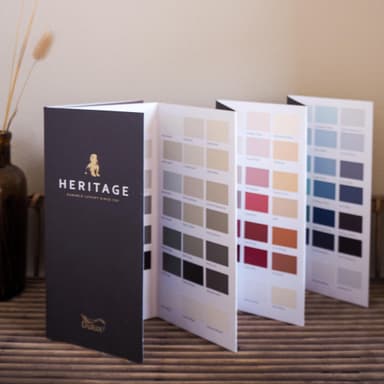
View elegant Dulux Heritage colours inspired by classic interiors.
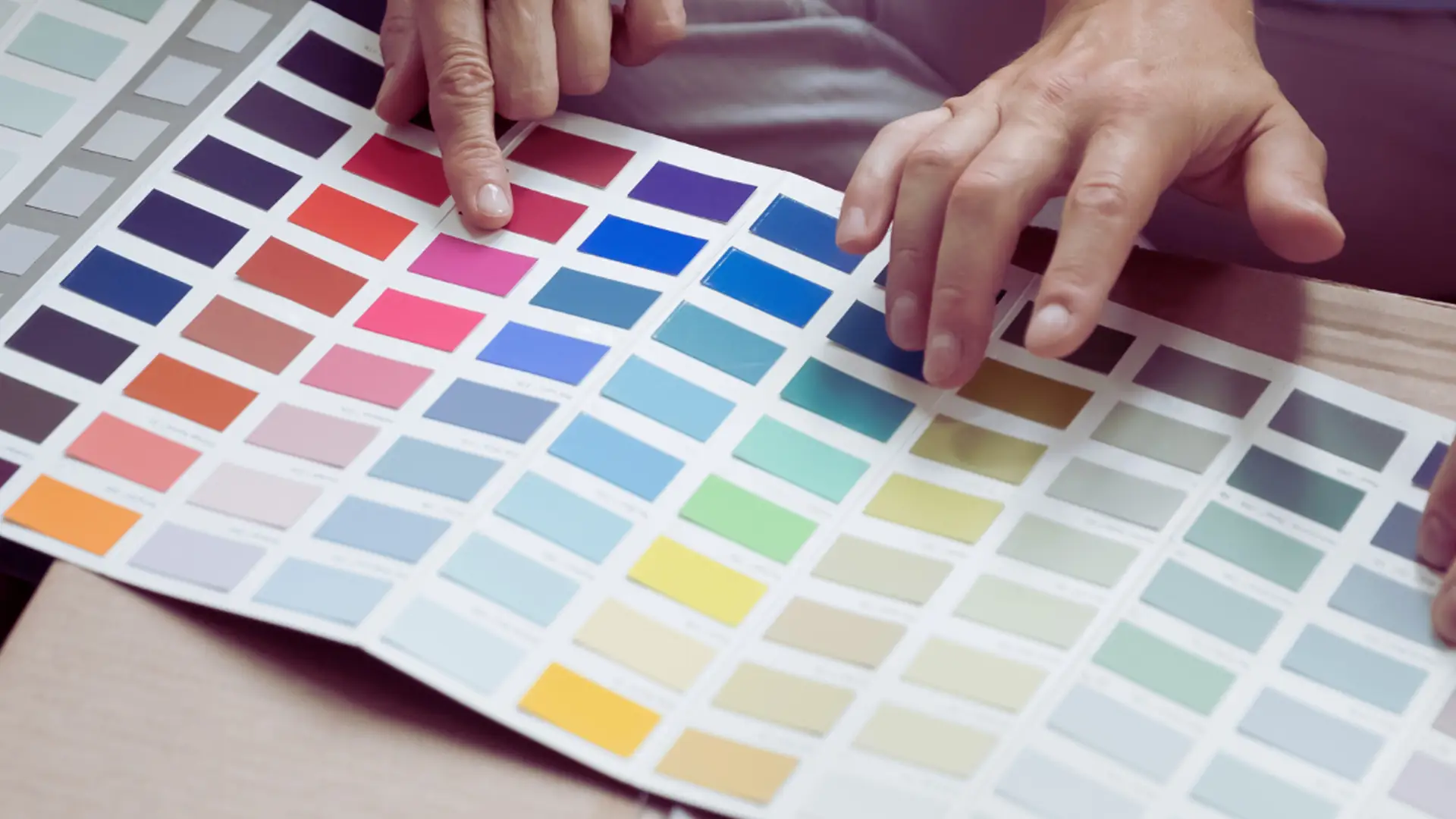
Choose from Fleetwood colour charts and popular palettes.
Try your favourite shades on the wall and see how they look. Select Finish - Sample on any Paint!
Shop SamplesUse colour books and fan decks to compare tones, discover palettes and find the right finish.
Shop Colour BooksOur paint experts are here to help with colour advice, finish recommendations, coverage questions and product guidance for your next decorating project.